Pubs get 15% business rates relief

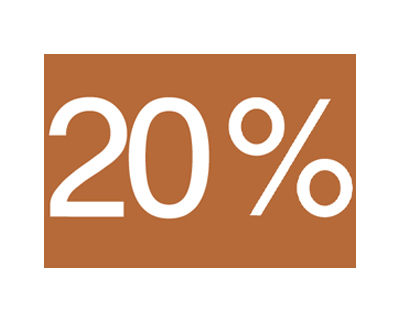
Pubs and live music venues in England will be given a 15% discount on their business rates bills from April and will not see increases for two years, the government announced.

It comes after a backlash against November’s Budget, which left many facing major increases in their business rates bills.

The government says that pubs have faced significant pressure as their numbers have fallen by nearly 7,000 since 2010, a roughly 15% reduction and amongst the highest across hospitality overall.

The support package will save the average pub an additional £1,650 in 2026/27, it adds.

Kate Nicholls, Chair of UKHospitality, said:

‘We welcome the recognition by the Prime Minister and the Chancellor of the scale of the challenges facing the hospitality sector. They have listened to us about the acute cost challenges facing businesses, all of which is impacting business viability, jobs and consumer prices.

‘The rising cost of doing business and business rates increases is a hospitality-wide problem that needs a hospitality-wide solution. The government’s immediate review of hospitality valuations going forward is clear recognition of this.

‘The devil will be in the detail, but we need to see pace and urgency to deliver the reform desperately needed to reduce hospitality’s tax burden, drive demand, and protect jobs and growth. We will work with the government over the next six months to hold their feet to the fire to deliver this.’

Internet link: HM Treasury

Tax timebomb poses existential threat to high streets, government warned

Small businesses such as cafes, shops and hairdressers are facing three years of business rates misery with an average 52% hike in bills, analysis from the Federation of Small Businesses (FSB) has revealed.

This is due to the removal of business rates relief for 230,000 small firms across the retail, hospitality and leisure (RHL) sectors in England.

The removal of the relief combined with other business rates changes being introduced by the government from this April, leaves many having to pay thousands of pounds extra, says the FSB.

In a letter to the Government, FSB has urged ministers to deploy the full relief available to them for small firms in RHL. Currently, only a quarter of the potential relief included in the government’s own formula is being used.

FSB Policy Chair Tina McKenzie said:

‘Striving small businesses in retail, hospitality and leisure – from bakeries and coffee shops to garden centres, gyms and dry cleaners – are on the brink unless Chancellor makes a decisive intervention now.

‘The tax timebomb that’s currently ticking will see three years of soaring bills, threatening our high streets and the jobs and services they provide.

‘Combined with other cost pressures going up in April as well, the Chancellor has to be realistic that without action on business rates relief, the burden will become too much to bear for some, who will either shrink or close down altogether.’

Internet link: FSB

Self assessment payments via the HMRC app up 65%

The number of people using the HMRC app to pay their self assessment tax bill has increased by 65% this tax year, according to the tax authority.

Almost 340,000 people have used the HMRC app to pay their self assessment tax since 6 April 2025, an increase of 132,788 people compared to the same period last year, says HMRC.

Self assessment taxpayers need to file their tax return online for the 2024/25 tax year and pay any tax owed by 31 January 2026. HMRC is encouraging those yet to start theirs, to go to GOV.UK and do it now. Anyone who misses the deadline could be subject to an automatic £100 penalty.

HMRC says that filing tax returns ahead of the deadline means knowing how much tax to pay sooner.

The tax authority says it is quick and easy to pay via the HMRC app and set up payment reminders to make sure the deadline is not missed.

Myrtle Lloyd, HMRC’s Chief Customer Officer, said:

‘The self assessment deadline is less than one month away, and thousands of people have already paid their tax bill via the HMRC app. It is quick and easy to do, and you can also see your payment history. Search ‘download the HMRC app’ on GOV.UK to access the app and make your self assessment payment.’

UK Treasury to regulate cryptocurrency under new legislation

The UK will bring cryptocurrencies, including Bitcoin, into a regulatory framework with legislation due by 2027.

The government says that firm and proportionate rules will give legal clarity over the sector’s regulatory position.

It says they will also boost consumer confidence by ensuring consumers are robustly protected.

The changes mean that firms will need to be regulated by the Financial Conduct Authority in the same way as other providers of financial products – including being subject to established transparency standards.

Through this new regime the UK is helping to shape global standards for cryptoassets regulation.

The regime is designed to support responsible innovation, ensure open and competitive markets, and promote the UK as a destination of choice for digital asset businesses.

Chancellor of the Exchequer, Rachel Reeves MP, said:

‘Bringing crypto into the regulatory perimeter is a crucial step in securing the UK’s position as a world leading financial centre in the digital age.

‘By giving firms clear rules of the road, we are providing the certainty they need to invest, innovate and create high skilled jobs here in the UK, while giving millions strong consumer protections, and locking dodgy actors out of the UK market.’

Internet link: HM Treasury

E-invoicing will be fundamental change for VAT-registered businesses

The mandatory introduction of e-invoicing for all VAT-registered businesses selling to UK business customers from April 2029 will be a fundamental change, says the Chartered Institute of Taxation (CIOT).

The government announced the requirement in the Autumn Budget 2025 policy documents.

It said: ‘Continued collaboration between the government and the private sector is essential for driving innovation. To drive productivity further, the government will require the use of electronic invoicing for all VAT invoices for business-to-business and business-to-government transactions from 2029, with a roadmap to be published at Budget 2026.’

The CIOT is cautioning the government against rushing into mandatory e-invoicing, calling for the use of thresholds and staged implementation to try to mitigate the impact of such significant digital change.

E-invoicing is a digital exchange of invoice information directly between the supplier and customer’s accounting systems; invoices sent electronically by email with a pdf or jpeg format attachment will no longer suffice.

CIOT spokesperson Alison Kerrey said:

‘E-invoicing is a fundamental change for businesses. This goes further than Making Tax Digital, because it is not just digital record keeping, it is communicating digitally with customers and suppliers.

‘We are particularly concerned that those businesses that only issue and receive a handful of invoices per year will face disproportionate costs.

‘The CIOT support moves to increase the adoption of e-invoicing. But if there is to be a mandate, there need to be real benefits to HMRC and UK businesses and sensible, realistic implementation.’

Internet link: CIOT