Grant boost for installing EV chargers for households and businesses

Renters, flat owners, homeowners without driveways and businesses will be able to save up to £500 when installing electric vehicle (EV) charge points, the government has announced.

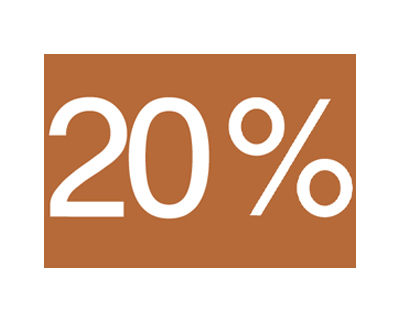
The 40% uplift in the chargepoint grant will cover almost half the cost of a typical charge point installation until March 2027, says the government.

It says this will help drivers access cheaper domestic electricity rates at home or work to power their car for as little as 2p per mile.

The latest government figures show EV drivers can save up to £1,400 on running costs versus a comparable petrol car when accessing cheaper domestic rates.

The move comes as the government aims to tackle two of the biggest barriers to driving electric – upfront costs and worries about finding somewhere to charge.

Keir Mather. Aviation, Maritime and Decarbonisation Minister, said:

‘We’re taking action to make EV ownership the affordable choice for everyone – not just those with driveways. Bigger grants mean families, flat owners, renters and small businesses can now install a charger for almost half the usual cost, with home charging costing as little as 2p a mile.

‘Combined with our Electric Car Grant which has saved over 55,000 drivers thousands off the price of a new EV whilst boosting sales for carmakers, and record funding for our national public charging network, we’re backing the EV revolution for drivers, businesses, and industry.’

Internet link: GOV.UK

Government unveils package of youth employment initiatives

The government has unveiled a youth employment drive that aims to create 200,000 jobs for young people and reform apprenticeships.

It comes as apprenticeship starts amongst young people are down 40% in the last decade and almost one million young people are not earning or learning.

There is also a new Youth Jobs Grant, through which businesses will receive £3,000 for every young person they hire who is aged 18-24 and has been on Universal Credit and looking for work for six months.

It is also expanding the Jobs Guarantee to a wider age range, from 18-21 to 18-24, which it says will create more than 35,000 extra subsidised jobs.

In addition, there is an Apprenticeship Incentive of £2,000 for each new employee aged 16-24 taken on by an SME.

Lizzie Crowley, Skills Adviser for the Chartered Institute of Personnel Development (CIPD), said:

‘We welcome the Government’s focus on tackling youth unemployment and supporting more young people into work, particularly through new incentives to help employers create entry-level jobs and apprenticeships.

‘Many of these measures reflect changes we have been calling for, including stronger support for employers to create high-quality opportunities and more flexible routes into work for young people.

‘With the number of young people not in education, employment, or training rising significantly in recent years, rebuilding clear pathways into work must be a priority.

‘However, different incentive schemes have been tried in the past with varying degrees of success. It is important that meaningful jobs are created which also support skills development, and that the process for claiming the incentives are simple and clearly communicated.’

Internet link: GOV.UK CIPD

New tax year brings contentious changes

The start of the new tax year on 6 April 2026 brings contentious changes with it, warns the Chartered Institute of Taxation (CIOT).

The most controversial change is the taxation of dividends and employee benefits as well as the introduction of Inheritance Tax (IHT) on family businesses and farms.

The government’s Making Tax Digital for Income Tax programme requires most sole traders and landlords with income of more than £50,000 a year to keep digital records and make quarterly submissions to HMRC.

Over the next three tax years HMRC plans to bring 2.9 million self-assessment taxpayers into the programme, requiring them to use compatible software to keep digital records and submit quarterly updates and an annual return.

Most of the changes took effect on Monday 6 April, the start of the new tax year, though a few changes were in place from Wednesday 1 April.

Ellen Milner, CIOT Director of Public Policy, said:

‘Spring is a time of fresh starts, and for taxpayers it also marks the arrival of a new tax year and new tax rules.

‘The most contentious change being made this April is bringing business and agricultural assets into the scope of IHT, albeit with an additional allowance and being taxed at a lower rate. This will mean many more valuations of estates will be?required. Farmers and business owners potentially in scope will need to pay careful attention to their tax planning.’

Internet link: CIOT

HMRC website seeks to close tax knowledge gaps

HMRC has launched a new ‘Tax Confident’ website which it says will help people fill their tax knowledge gaps.

The tax authority says the site is designed around real-life situations, helping people to find information that is relevant to their circumstances. These include ‘tax in retirement’, ‘small businesses’ and ‘working life’.

The website also features ‘tax basics’, to help people understand the essentials and includes information about the free HMRC app and how to get further support.

HMRC says that with simple explanations, videos, and examples, Tax Confident makes it easier for people to understand tax. It also has links to GOV.UK guidance for when people are ready for more detail.

As well as the basics, current resources are aimed at pensioners, and people establishing new small businesses, who sometimes feel unsure about tax and are more likely to look for help.

Myrtle Lloyd, HMRC Chief Customer Officer and Customer Services Director General, said:

‘We know that tax can feel confusing at times, especially when you are not sure where to start. HMRC’s Tax Confident website is here to help people get to grips with the basics, covering everything from the tax essentials for new businesses to the need to knows for retirement.

‘Tax Confident is designed to help you feel informed, capable and in control when it comes to managing your tax.’

Internet link: HMRC

Tax advisers must be qualified and reputable

It is vital that taxpayers and small businesses use reputable tax advisers with professional qualifications, warns the Chartered Institute of Taxation (CIOT).

Currently, anyone in the UK can refer to themselves as a tax adviser, regardless of whether they are professionally qualified.

However, tax advisers who are members of relevant tax or accountancy related professional bodies, such as the CIOT and the Association of Taxation Technicians (ATT) will have gained a qualification through passing stringent exams.

Chartered Tax Advisers are required to meet high professional standards, undertake continuing professional development and follow the profession’s code of conduct.

The CIOT encourages anyone seeking help with their tax affairs to use its online guidance for help on how to find and work with qualified advisers.

Nichola Ross Martin, President of the CIOT, said:

‘Dealing with our own taxes should not be confusing or stressful.

‘We want to give taxpayers greater knowledge and understanding of taxes and help point them to trustworthy help. The right advice can protect you and your finances.

‘Rogue agents who are not properly qualified can put taxpayers at risk – whether through poor advice, incorrect filings or even fraudulent claims made in a taxpayer’s name. Choosing a professionally qualified adviser provides reassurance that they are bound by ethical standards and subject to professional oversight.’

Internet link: CIOT