Over 750,000 young people yet to claim savings

Over 750,000 18-to-23-year-olds have yet to claim their matured Child Trust Funds, according to HMRC.

The tax authority says that the accounts are worth £2,242 each on average.

Child Trust Funds are long term, tax-free savings accounts which were set up for children born between 1 September 2002 and 2 January 2011 with an initial government deposit of at least £250.

Young people can take control of their account at 16, but once the account holder turns 18 it matures, and they can decide whether they want to withdraw the money or re-invest it.

Young people can use the GOV.UK locator tool to find their Child Trust Fund quickly and for free. It requires the young person’s National Insurance number and date of birth.

More than 563,000 young people went online to find their Child Trust Fund in the 12 months to the end of August 2025, says HMRC.

It takes about five minutes to submit a request to find a Child Trust Fund using the online tool and, for most, less than three weeks to hear back.

Angela MacDonald, HMRC’s Second Permanent Secretary and Deputy Chief Executive, said:

‘If you’re between 18 and 23, you could be sat on a savings payout and not even realise it. Just search ‘find my Child Trust Fund’ on GOV.UK to find your savings account today.’

Internet link: HMRC press release

Chancellor should use Budget to reform tax system, IFS says

Chancellor Rachel Reeves should use the Autumn Budget to reform the UK’s tax system, says the Institute for Fiscal Studies (IFS).

The think tank says this would help Ms Reeves to raise more revenue while limiting the hit to the economy.

The IFS warns the Chancellor against raising the levels of existing taxes to bring in the estimated £30 billion she requires to stay on course for her targets to repair the public finances.

Changes to wealth-related taxes, including Capital Gains Tax, would be more effective than the introduction of an annual wealth tax, the think tank added.

Isaac Delestre, a Senior Research Economist at IFS, said:

‘Revenue-raising seems likely to be a major goal of the coming Budget. But if Rachel Reeves limits her ambition to collecting more revenue, she will have fallen short.

‘Almost any package of tax rises is likely to weigh on growth, but by tackling some of the inefficiency and unfairness in our existing tax system, the Chancellor could limit the economic damage.

‘The last thing we need in November is directionless tinkering and half-baked fixes. There is an opportunity here. The Chancellor should use this Budget to take real steps down the road towards a more rational tax system that is better geared to promoting the prosperity and well-being of taxpayers.’

Internet link: IFS

HMRC to resume taking tax owed by debtors directly from their bank accounts

HMRC has resumed its programme allowing direct recovery of money from debtors’ bank accounts.

The Direct Recovery of Debts (DRD) policy, which was paused during the Covid-19 pandemic, has restarted in a ‘test and learn’ phase’, the tax authority has confirmed.

DRD targets individuals and businesses who can afford to pay their debts but deliberately choose not to, HMRC said.

This power enables HMRC to compel banks and building societies to transfer funds directly from a debtor’s account. It applies to debts of £1,000 or more, with safeguards against undue hardship and for vulnerable customers.

Before debts are considered for recovery through DRD, every debtor will receive a face-to-face visit from HMRC agents to personally identify the taxpayer to confirm it is their debt and to discuss options to resolve the debt.

Safeguards include only taking action against those who have established debts, have passed the timetable for appeals, and have repeatedly ignored HMRC’s attempts to make contact.

The safeguards also include leaving a minimum of £5,000 in the debtor’s accounts to ensure that sufficient money is available to pay wages, mortgages or essential business or household expenses.

HMRC said:

‘The vast majority of taxpayers pay their taxes in full and on time, but a minority choose not to pay, even though they have the means to do so.’

Internet link: GOV.UK

Countdown to Vaping Products Duty begins

There is now less than a year until the UK Government introduces Vaping Products Duty (VPD) and vaping duty stamps (VDS) on 1 October 2026.

VPD, a new excise duty, will apply to all vaping liquids (or e-liquids) sold or supplied in the UK, at a flat rate of £2.20 per 10ml and VDS must be attached to individual vaping products.

From 1 April 2026, any business involved in the manufacture or importation of vaping products, or storage of duty-suspended vaping products, must apply for approval from HMRC. This will enable them to continue operating lawfully in the UK once VPD and the VDS Scheme come into effect.

With just six months until approval registration opens, HMRC is urging all affected businesses to prepare now to avoid disruption as approval may take up to 45 working days.

What this means for businesses:

  • UK manufacturers of vaping products must apply for approval for both VPD and the VDS Scheme.
  • Warehouse keepers will be able to apply for VDS Scheme approval directly.
  • Overseas manufacturers must appoint a UK representative to apply for the VDS Scheme on their behalf.
  • Importers will be required to pay the new duty. They must also register for VPD and the VDS Scheme if they are acting as a UK representative for an overseas manufacturer.

Rachel Nixon, HMRC’s Director of Indirect Tax, said:

‘We are working closely with the vaping sector ahead of these changes. Businesses are encouraged to visit GOV.UK and search ‘prepare for vaping duty‘ to access guidance and updates. Early preparation is essential to ensure a smooth transition and to avoid disruption to operations.’

Internet link: HMRC press release

Lowering VAT threshold would be manifesto breach, warns IPSE

Lowering the threshold for VAT registration in the Autumn Budget would breach Labour’s manifesto, IPSE, the Self-Employed Association has warned.

IPSE says that the government is in a bind both politically and economically. Having ruled out tax rises on ‘working people’ and hiking employer National Insurance contributions (NICs) the Chancellor’s options are limited.

IPSE asks, in these circumstances will Ms Reeves reform taxes rather than raising them?

Sole traders are required to register for, charge and pay VAT once their annual turnover goes over £90,000.

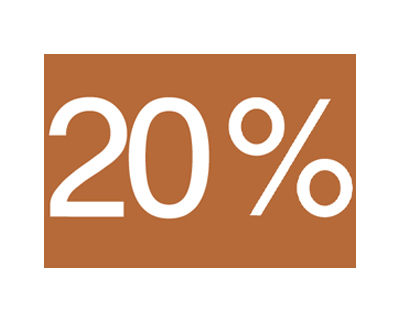
IPSE says this threshold can put a ceiling on the ambitions of sole traders earning close to that amount; they may be reluctant to artificially increase the price of their services by 20%, giving customers and clients a reason to buy from competitors.

Newspaper reports say that the Treasury is now considering slashing the threshold to as low as £30,000.

Fred Hicks, Senior Policy and Communications Adviser at IPSE, said:

‘This would make registering for VAT unavoidable for anyone whose main source of income is from self-employment, and then some.

‘Cutting the VAT registration threshold is not the same as increasing rates of VAT – even if it ultimately ends up with more people having to charge and pay it. And if this radical reform did go ahead, this may well be how government justifies it.

‘But make no mistake – in IPSE’s eyes, it absolutely would be a breach of their commitment – and a breach of faith – to claim that dragging people into paying a new tax is not the same as putting their taxes up.’

Internet link: IPSE